Cart
Your cart is empty
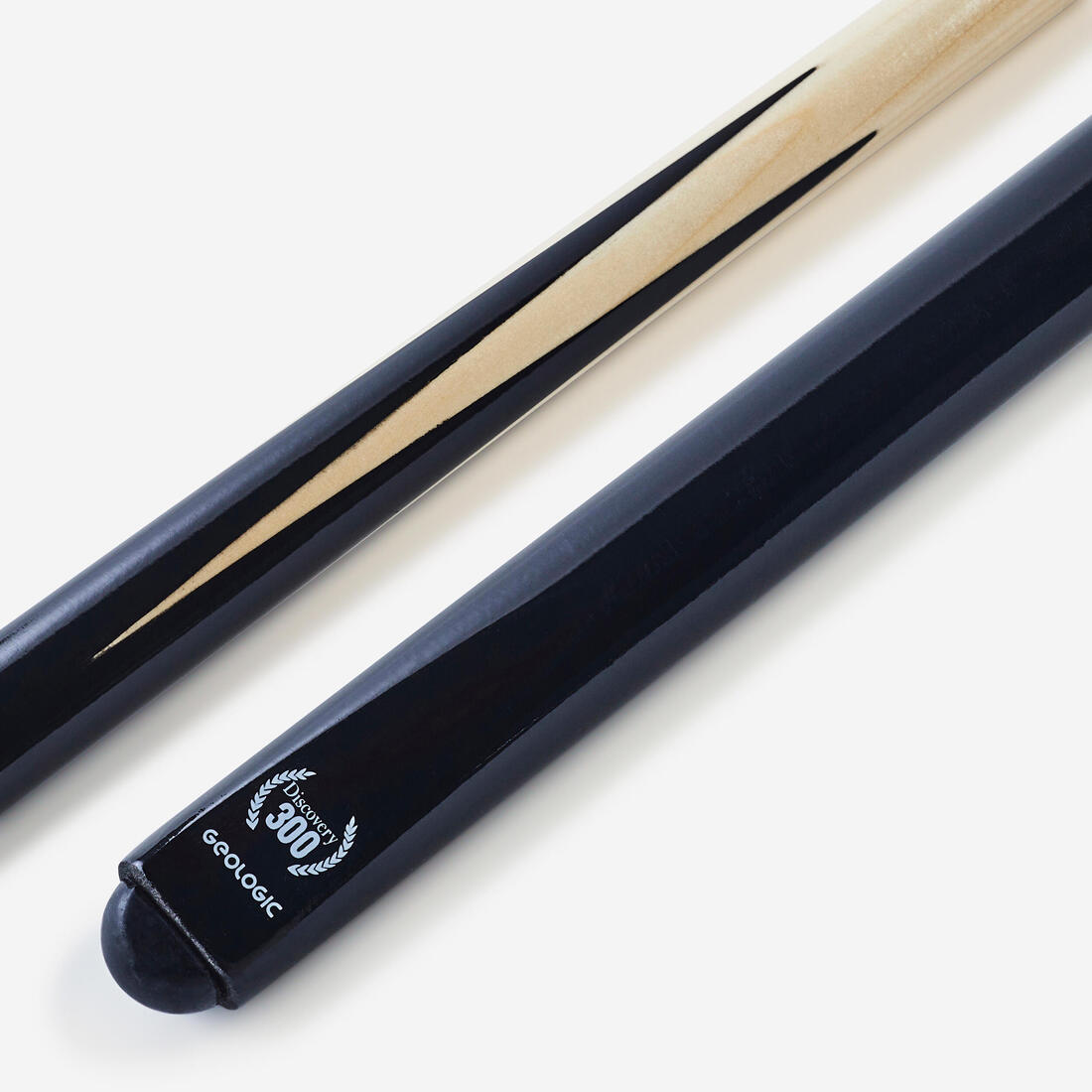
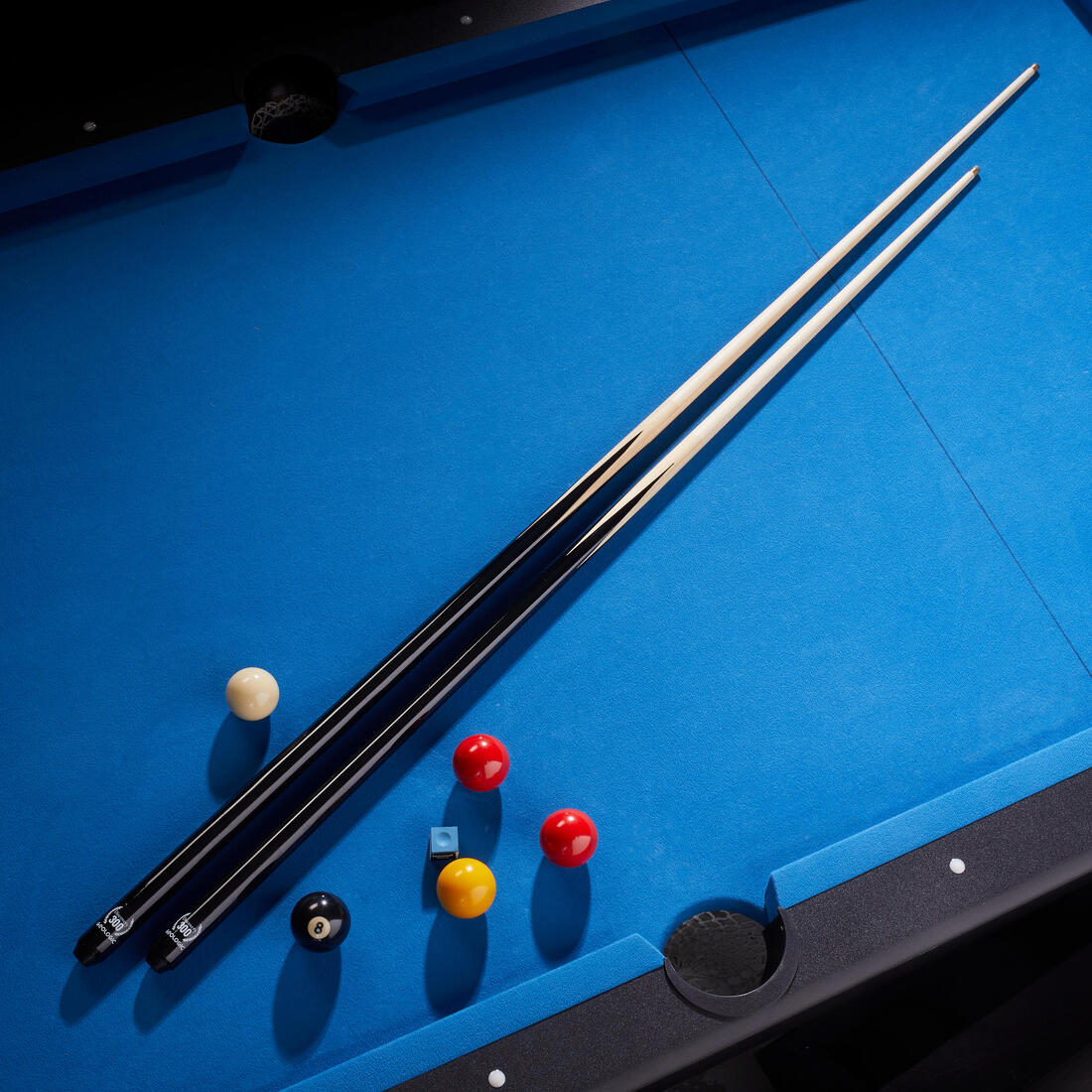
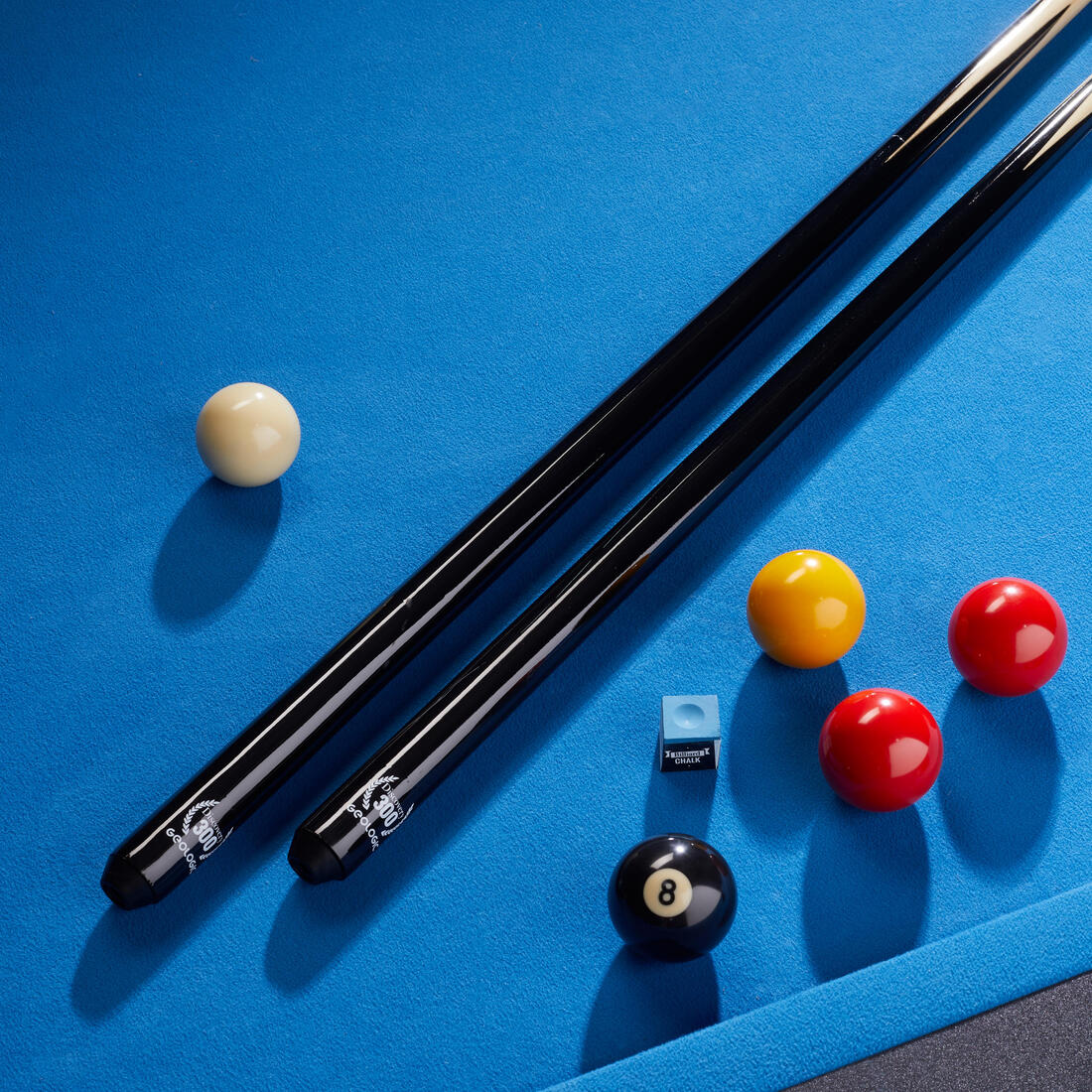
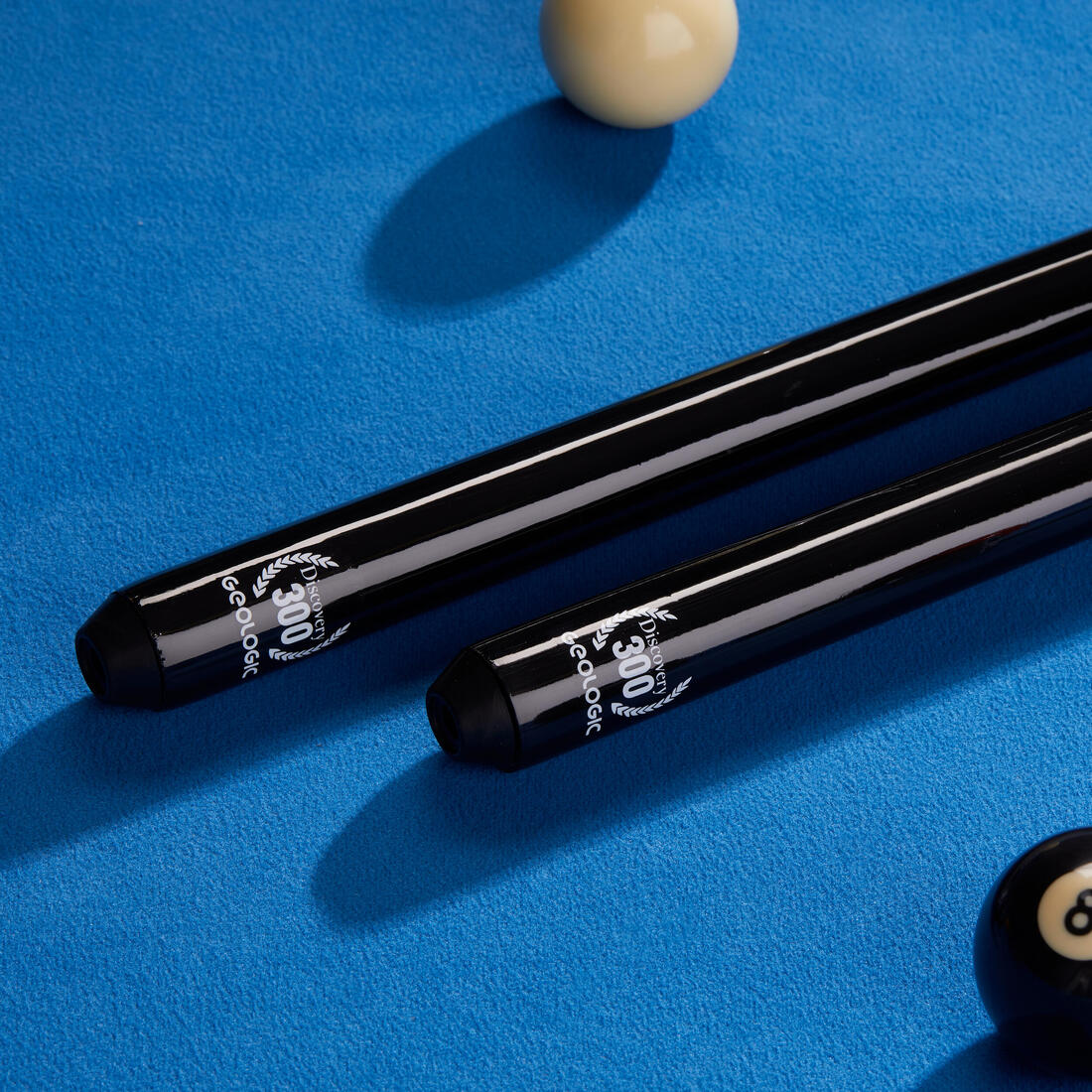
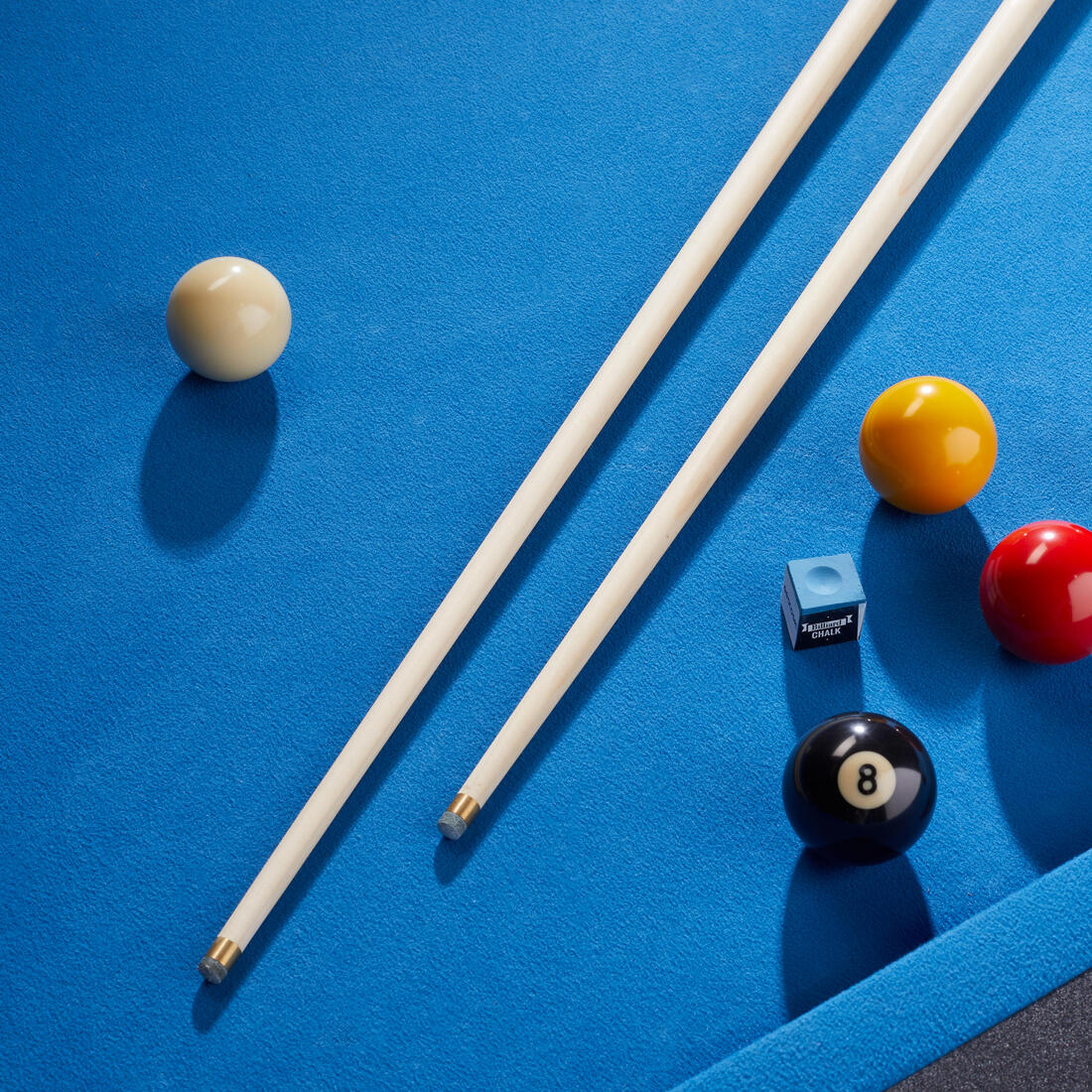
Our team of billiards players designed this cue for learning English billiards and snooker, even in tight spaces.
Are you looking for a cue for learning to play billiards and snooker? With its short length, we are offering this manoeuvrable, specially designed cue for your grand debut.
Size Guide
| UK Size | Chest (in) | Waist (in) |
|---|---|---|
| XS | 33.1 – 34.384.1 – 87.1 | 27.6 – 28.770.1 – 72.9 |
| S | 34.6 – 35.887.9 – 90.9 | 29.1 – 30.373.9 – 76.9 |
| M | 36.2 – 37.491.9 – 95.0 | 30.7 – 31.978.0 – 81.0 |
| L | 37.8 – 40.696.0 – 103.1 | 32.3 – 35.082.0 – 88.9 |
| XL | 40.9 – 44.5103.9 – 113.0 | 35.4 – 39.489.9 – 100.1 |
| 2XL | 44.9 – 48.4114.0 – 122.9 | 39.8 – 43.7101.1 – 111.0 |
| 3XL | 48.8 – 53.1123.9 – 134.9 | 44.1 – 48.4112.0 – 122.9 |
| UK Size | Low Hip (in) | Waist (in) |
|---|---|---|
| XS | 31.5 – 33.580.0 – 85.1 | 26.0 – 28.066.0 – 71.1 |
| S | 33.9 – 35.886.1 – 90.9 | 28.3 – 30.371.9 – 76.9 |
| M | 36.2 – 38.291.9 – 97.0 | 30.7 – 32.778.0 – 83.1 |
| L | 38.6 – 40.998.0 – 103.9 | 33.1 – 35.084.1 – 88.9 |
| XL | 41.3 – 43.7104.9 – 111.0 | 35.4 – 38.289.9 – 97.0 |
| 2XL | 44.1 – 46.5112.0 – 118.1 | 38.6 – 41.398.0 – 104.9 |
| 3XL | 46.9 – 49.6119.1 – 126.0 | 41.7 – 44.5105.9 – 113.0 |
1- Head: Wrap a tape measure around your head, above your eyebrows. Make sure it is parallel to the floor when you're looking straight ahead.
2- Chest: Wrap a tape measure around your back and measure the fullest part of your chest. Make sure it's straight and parallel to the floor. Look straight ahead, tighten the tape and breathe normally.
3- Waist: Wrap a tape measure around the narrowest part of your waist, above your belly button. Raise your head, tighten the tape and breathe normally.
4- Hand: Hold a tape measure at the bend of the thumb. Wrap around your palm.
| UK Size | Low Hip (in) | Waist (in) |
|---|---|---|
| 2XS | .5 – 32.780.0 – 83.122.8 – 24.457.9 – 62.0 | |
| XS | 33.1 – 34.384.1 – 87.1 | 24.4 – 25.662.0 – 65.0 |
| S | 34.6 – 35.887.9 – 90.9 | 26.0 – 27.266.0 – 69.1 |
| M | 36.2 – 37.491.9 – 95.0 | 27.6 – 28.770.1 – 72.9 |
| L | 37.8 – 40.696.0 – 103.1 | 29.1 – 33.173.9 – 84.1 |
| XL | 40.9 – 44.5103.9 – 113.0 | 33.5 – 37.885.1 – 96.0 |
| 2XL | .9 – 48.4114.0 – 122.938.2 – 42.597.0 – 107.9 |
| UK Size | Low Hip (in) | Waist (in) |
|---|---|---|
| 2XS | .1 – 33.579.0 – 85.123.6 – 24.859.9 – 63.0 | |
| XS | 33.5 – 35.485.1 – 89.9 | 25.2 – 26.864.0 – 68.1 |
| S | 35.4 – 37.889.9 – 96.0 | 27.2 – 28.769.1 – 72.9 |
| M | 37.8 – 40.296.0 – 102.1 | 29.1 – 31.173.9 – 79.0 |
| L | 40.2 – 42.5102.1 – 107.9 | 31.5 – 33.980.0 – 86.1 |
| XL | 42.5 – 44.9107.9 – 114.0 | 34.3 – 36.687.1 – 92.9 |
| 2XL | .9 – 47.2114.0 – 119.937.0 – 39.494.0 – 100.1 |
| UK Size | Bust (in) | Underbust (in) |
|---|---|---|
| 2XS | 30.7 – 31.578.0 – 80.0 | 24.8 – 26.463.0 – 67.1 |
| XS | 31.5 – 33.580.0 – 85.1 | 24.8 – 28.363.0 – 71.9 |
| S | 33.5 – 35.485.1 – 89.9 | 26.8 – 30.368.1 – 76.9 |
| M | 35.4 – 37.489.9 – 95.0 | 28.7 – 32.372.9 – 82.0 |
| L | 37.4 – 39.495.0 – 100.1 | 30.7 – 34.378.0 – 87.1 |
| XL | 39.4 – 41.3100.1 – 104.9 | 32.7 – 36.283.1 – 91.9 |
| 2XL | 41.3 – 43.3104.9 – 109.9 | 34.6 – 38.287.9 – 97.0 |
1- Head: Wrap a tape measure around your head, above your eyebrows. Make sure it is parallel to the floor when you're looking straight ahead.
2- Bust: Wrap a tape measure around your back and measure the fullest part of your bust. Make sure it's straight and parallel to the floor. Look straight ahead, tighten the tape and breathe normally.
3- Underbust: Directly below the bust, wrap a tape measure around the ribcage. Make sure it's straight and parallel to the floor. Raise your head, tighten the tape and breathe normally.
4- Waist: Wrap a tape measure around the narrowest part of your waist, above your belly button. Raise your head, tighten the tape and breathe normally.
5- Hips: Wrap a tape measure around the fullest part of your hips.
6- Hand: Hold a tape measure at the bend of the thumb. Wrap around your palm.
| Age | Height (in) | Chest (in) | Waist (in) | Low Hip (in) |
|---|---|---|---|---|
| 6 months | 24.0 – 27.261.0 – 69.1 | 16.5 – 16.941.9 – 42.9 | 14.6 – 15.237.1 – 38.6 | 16.5 – 17.141.9 – 43.4 |
| 9 months | 27.6 – 28.370.1 – 71.9 | 16.9 – 17.342.9 – 43.9 | 15.2 – 15.638.6 – 39.6 | 17.1 – 17.743.4 – 44.9 |
| 12 months | 28.7 – 29.572.9 – 74.9 | 17.3 – 17.743.9 – 44.9 | 15.6 – 16.139.6 – 40.9 | 17.7 – 18.544.9 – 47.0 |
| 18 months | 29.9 – 31.975.9 – 81.0 | 18.1 – 18.546.0 – 47.0 | 16.3 – 16.941.4 – 42.9 | 18.5 – 19.347.0 – 49.0 |
| 24 months | 32.3 – 34.682.0 – 87.9 | 18.9 – 19.348.0 – 49.0 | 17.3 – 18.143.9 – 46.0 | 19.3 – 20.349.0 – 51.6 |
| 2 – 3 years | 35.0 – 37.488.9 – 95.0 | 19.7 – 20.150.0 – 51.1 | 18.1 – 18.946.0 – 48.0 | 20.3 – 20.951.6 – 53.1 |
| 3 – 4 years | 37.8 – 40.296.0 – 102.1 | 20.5 – 21.352.1 – 54.1 | 19.3 – 20.149.0 – 51.1 | 21.3 – 22.454.1 – 56.9 |
| 4 – 5 years | 40.6 – 44.1103.1 – 112.0 | 21.7 – 22.455.1 – 56.9 | 20.1 – 20.951.1 – 53.1 | 22.8 – 24.057.9 – 61.0 |
| 5 – 6 years | 44.5 – 48.0113.0 – 121.9 | 22.8 – 23.657.9 – 59.9 | 20.9 – 21.753.1 – 55.1 | 24.4 – 25.662.0 – 65.0 |
| 7 – 8 years | 48.4 – 51.2122.9 – 130.0 | 24.4 – 24.862.0 – 63.0 | 21.7 – 22.455.1 – 56.9 | 26.0 – 27.266.0 – 69.1 |
| 8 – 9 years | 51.6 – 55.1131.1 – 140.0 | 25.2 – 26.464.0 – 67.1 | 22.8 – 23.657.9 – 59.9 | 27.6 – 28.770.1 – 72.9 |
| 10 – 11 years | 55.5 – 59.1141.0 – 150.1 | 26.8 – 28.768.1 – 72.9 | 24.0 – 25.261.0 – 64.0 | 29.1 – 30.373.9 – 76.9 |
| 12 – 13 years | 59.4 – 63.0150.9 – 160.0 | 29.1 – 31.573.9 – 80.0 | 25.6 – 27.265.0 – 69.1 | 30.7 – 33.178.0 – 84.1 |
| 14 – 15 years | 63.4 – 67.7161.0 – 171.9 | 31.9 – 34.681.0 – 87.9 | 27.6 – 29.170.1 – 73.9 | 33.5 – 35.885.1 – 90.9 |
| Age | Height (in) | Chest (in) | Waist (in) | Low Hip (in) |
|---|---|---|---|---|
| 6 months | 24.0 – 27.261.0 – 69.1 | 15.4 – 16.939.1 – 42.9 | 13.4 – 15.234.0 – 38.6 | 15.4 – 17.139.1 – 43.4 |
| 9 months | 27.6 – 28.370.1 – 71.9 | 16.9 – 17.342.9 – 43.9 | 15.2 – 15.638.6 – 39.6 | 17.1 – 17.743.4 – 44.9 |
| 12 months | 28.7 – 29.572.9 – 74.9 | 17.3 – 17.743.9 – 44.9 | 15.6 – 16.139.6 – 40.9 | 17.7 – 18.544.9 – 47.0 |
| 18 months | 29.9 – 31.975.9 – 81.0 | 18.1 – 18.546.0 – 47.0 | 16.3 – 16.941.4 – 42.9 | 18.5 – 19.347.0 – 49.0 |
| 24 months | 32.3 – 34.682.0 – 87.9 | 18.9 – 19.348.0 – 49.0 | 17.3 – 18.143.9 – 46.0 | 19.3 – 20.349.0 – 51.6 |
| 2 – 3 years | 35.0 – 37.488.9 – 95.0 | 19.7 – 20.150.0 – 51.1 | 18.1 – 18.946.0 – 48.0 | 20.3 – 20.951.6 – 53.1 |
| 3 – 4 years | 37.8 – 40.296.0 – 102.1 | 20.5 – 21.352.1 – 54.1 | 19.3 – 20.149.0 – 51.1 | 21.3 – 22.454.1 – 56.9 |
| 4 – 5 years | 40.6 – 44.1103.1 – 112.0 | 21.7 – 22.455.1 – 56.9 | 20.1 – 20.951.1 – 53.1 | 22.8 – 24.057.9 – 61.0 |
| 5 – 6 years | 44.5 – 48.0113.0 – 121.9 | 22.8 – 23.657.9 – 59.9 | 20.9 – 21.753.1 – 55.1 | 24.4 – 25.662.0 – 65.0 |
| 7 – 8 years | 48.4 – 51.2122.9 – 130.0 | 24.4 – 24.862.0 – 63.0 | 21.7 – 22.455.1 – 56.9 | 26.0 – 27.266.0 – 69.1 |
| 8 – 9 years | 51.6 – 55.1131.1 – 140.0 | 25.2 – 26.464.0 – 67.1 | 22.8 – 23.657.9 – 59.9 | 27.6 – 28.770.1 – 72.9 |
| 10 – 11 years | 55.5 – 58.3141.0 – 148.1 | 26.8 – 28.068.1 – 71.1 | 24.0 – 24.861.0 – 63.0 | 29.1 – 31.973.9 – 81.0 |
| 12 – 13 years | 58.7 – 62.6149.1 – 158.9 | 28.3 – 31.971.9 – 81.0 | 25.2 – 26.464.0 – 67.1 | 32.3 – 35.082.0 – 88.9 |
| 14 – 15 years | 63.0 – 65.4160.0 – 166.1 | 32.3 – 33.982.0 – 86.1 | 26.8 – 28.068.1 – 71.1 | 35.4 – 36.689.9 – 92.9 |
1- Height: Stand against a wall, barefoot or in socks, heels pasted to the wall. Stand right, then hold a book or flat object on the top of your head. Block the book, mark the bottom edge of the book. Measure the distance from the floor to the mark.
2- Head: Wrap a tape measure around your head, above your eyebrows. Make sure it is parallel to the floor when your head is straight.
3- Hand: Hold a tape measure at the bend of the thumb. Wrap around your palm.
| UK Size | EU Size | Foot Length (in) |
|---|---|---|
| 5.5 | 38.5 | 9.624.5 |
| 6 | 39 | 9.624.5 |
| 6 | 39.5 | 9.825.0 |
| 6.5 | 40 | 10.025.5 |
| 6.5 | 40.5 | 10.025.5 |
| 7 | 41 | 10.226.0 |
| 7.5 | 41.5 | 10.426.5 |
| 7.5 | 42 | 10.426.5 |
| 8 | 42.5 | 10.627.0 |
| 8.5 | 43 | 10.827.5 |
| 9 | 43.5 | 11.027.5 |
| 9.5 | 44 | 11.028.0 |
| 10 | 44.5 | 11.228.5 |
| 10.5 | 45 | 11.228.5 |
| 10.5 | 45.5 | 11.429.0 |
| 11 | 46 | 11.629.5 |
| 11.5 | 46.5 | 11.629.5 |
| UK Size | EU Size | Foot Length (in) |
|---|---|---|
| 2 | 34 | 8.2521.0 |
| 2.5 | 34.5 | 8.521.6 |
| 3 | 35 | 8.722.1 |
| 3 | 35.5 | 8.922.6 |
| 3.5 | 36 | 8.922.6 |
| 4 | 36.5 | 9.123.1 |
| 4.5 | 37 | 9.323.6 |
| 4.5 | 37 | 9.323.6 |
| 5 | 38 | 9.423.9 |
| 5.5 | 38.5 | 9.624.4 |
| 5.5 | 39 | 9.624.4 |
| 6 | 39.5 | 9.824.9 |
| 6.5 | 40 | 10.025.4 |
| 6.5 | 40.5 | 10.025.4 |
| 7 | 41 | 10.225.9 |
| 7.5 | 41.5 | 10.426.4 |
| 8 | 42 | 10.426.4 |
| UK Women's / Men's | EU Size | Foot Length (in) |
|---|---|---|
| W3 / M2.5 | 35 | 8.621.8 |
| W3.5 / M3 | 36 | 8.922.6 |
| W4 / M3.5 | 36.5 | 9.123.1 |
| W4.5 / M4 | 37 | 9.323.6 |
| W5 / M4.5 | 37.5 | 9.323.6 |
| W5.5 / M5 | 38 | 9.423.9 |
| W6 / M5.5 | 39 | 9.624.4 |
| W6.5 / M6 | 39.5 | 9.824.9 |
| W7 / M6.5 | 40 | 10.025.4 |
| W7.5 / M7 | 41 | 10.225.9 |
| W8 / M7.5 | 41.5 | 10.426.4 |
| W8.5 / M8 | 42 | 10.426.4 |
| W9 / M8.5 | 43 | 10.827.4 |
| W9.5 / M9 | 43.5 | 11.027.9 |
| W10 / M9.5 | 44 | 11.027.9 |
| W10.5 / M10 | 44.5 | 11.228.4 |
| W11 / M10.5 | 45 | 11.228.4 |
| W12 / M11 | 46 | 11.629.5 |
| W13 / M12 | 47 | 11.830.0 |
| W14 / M12.5 | 48 | 12.030.5 |
Foot length: Stand against a wall, heels touching the wall. Put an object (e.g. book) against your longest toe. Measure the length between the wall and the object. Repeat this process for the other foot. If the lengths are different, choose the largest.
| UK Size | Head (in) |
|---|---|
| 2XS | 18.5 – 19.747.0 – 50.0 |
| XS | 19.7 – 20.950.0 – 53.1 |
| S | 20.9 – 22.053.1 – 55.9 |
| M | 22.0 – 23.255.9 – 58.9 |
| L | 23.2 – 24.458.9 – 62.0 |
| UK Size | Head (in) |
|---|---|
| 2XS | 17.3 – 19.343.9 – 49.0 |
| XS | 18.5 – 20.547.0 – 52.1 |
| S | 20.5 – 21.752.1 – 55.1 |
| M | 21.7 – 23.255.1 – 58.9 |
| L | 23.2 – 24.458.9 – 62.0 |
| UK Size | Palm perimeter (in) | Hand length (in) |
|---|---|---|
| 2XS | 7.0 – 7.317.8 – 18.5 | 6.3 – 6.616.0 – 16.8 |
| XS | 7.3 – 7.618.5 – 19.3 | 6.7 – 6.917.0 – 17.5 |
| S | 7.6 – 7.919.3 – 20.1 | 7.0 – 7.217.8 – 18.3 |
| M | 8.0 – 8.220.3 – 20.8 | 7.2 – 7.418.3 – 18.8 |
| L | 8.3 – 8.521.1 – 21.6 | 7.4 – 7.718.8 – 19.6 |
| XL | 8.6 – 8.921.8 – 22.6 | 7.7 – 7.919.6 – 20.1 |
| 2XL | 8.9 – 9.222.6 – 23.4 | 8.0 – 8.120.3 – 20.6 |
| 3XL | 9.2 – 9.523.4 – 24.1 | 8.2 – 8.420.8 – 21.3 |
1- Head: Wrap a tape measure around your head, above your eyebrows. Make sure it is parallel to the floor when your head is straight.
2- Hand: Hold a tape measure at the bend of the thumb. Wrap around your palm.
| Bike size | Height |
|---|---|
| 12" | 2'5" – 3'0"73 – 91 cm |
| 14" | 3'0" – 3'5"91 – 104 cm |
| 16" | 3'5" – 3'11"104 – 119 cm |
| 20" | 3'11" – 4'5"119 – 135 cm |
| 24" | 4'5" – 5'1"135 – 155 cm |
| Bike size | Height |
|---|---|
| XS | 5'1" – 5'5"155 – 165 cm |
| S | 5'5" – 5'8"165 – 173 cm |
| M | 5'8" – 5'11"173 – 180 cm |
| L | 5'11" – 6'2"180 – 188 cm |
| XL | 6'2" – 6'7"188 – 200 cm |
| Bike size | Height |
|---|---|
| S | 4'11" – 5'5"150 – 165 cm |
| M | 5'5" – 5'9"165 – 175 cm |
| L | 5'9" – 6'0"175 – 183 cm |
| XL | 6'0" – 6'7"183 – 200 cm |
Size Guide
| UK Size | Chest (in) | Waist (in) |
|---|---|---|
| XS | 33.1 – 34.384.1 – 87.1 | 27.6 – 28.770.1 – 72.9 |
| S | 34.6 – 35.887.9 – 90.9 | 29.1 – 30.373.9 – 76.9 |
| M | 36.2 – 37.491.9 – 95.0 | 30.7 – 31.978.0 – 81.0 |
| L | 37.8 – 40.696.0 – 103.1 | 32.3 – 35.082.0 – 88.9 |
| XL | 40.9 – 44.5103.9 – 113.0 | 35.4 – 39.489.9 – 100.1 |
| 2XL | 44.9 – 48.4114.0 – 122.9 | 39.8 – 43.7101.1 – 111.0 |
| 3XL | 48.8 – 53.1123.9 – 134.9 | 44.1 – 48.4112.0 – 122.9 |
| UK Size | Low Hip (in) | Waist (in) |
|---|---|---|
| XS | 31.5 – 33.580.0 – 85.1 | 26.0 – 28.066.0 – 71.1 |
| S | 33.9 – 35.886.1 – 90.9 | 28.3 – 30.371.9 – 76.9 |
| M | 36.2 – 38.291.9 – 97.0 | 30.7 – 32.778.0 – 83.1 |
| L | 38.6 – 40.998.0 – 103.9 | 33.1 – 35.084.1 – 88.9 |
| XL | 41.3 – 43.7104.9 – 111.0 | 35.4 – 38.289.9 – 97.0 |
| 2XL | 44.1 – 46.5112.0 – 118.1 | 38.6 – 41.398.0 – 104.9 |
| 3XL | 46.9 – 49.6119.1 – 126.0 | 41.7 – 44.5105.9 – 113.0 |
1- Head: Wrap a tape measure around your head, above your eyebrows. Make sure it is parallel to the floor when you're looking straight ahead.
2- Chest: Wrap a tape measure around your back and measure the fullest part of your chest. Make sure it's straight and parallel to the floor. Look straight ahead, tighten the tape and breathe normally.
3- Waist: Wrap a tape measure around the narrowest part of your waist, above your belly button. Raise your head, tighten the tape and breathe normally.
4- Hand: Hold a tape measure at the bend of the thumb. Wrap around your palm.
| UK Size | Low Hip (in) | Waist (in) |
|---|---|---|
| 2XS | .5 – 32.780.0 – 83.122.8 – 24.457.9 – 62.0 | |
| XS | 33.1 – 34.384.1 – 87.1 | 24.4 – 25.662.0 – 65.0 |
| S | 34.6 – 35.887.9 – 90.9 | 26.0 – 27.266.0 – 69.1 |
| M | 36.2 – 37.491.9 – 95.0 | 27.6 – 28.770.1 – 72.9 |
| L | 37.8 – 40.696.0 – 103.1 | 29.1 – 33.173.9 – 84.1 |
| XL | 40.9 – 44.5103.9 – 113.0 | 33.5 – 37.885.1 – 96.0 |
| 2XL | .9 – 48.4114.0 – 122.938.2 – 42.597.0 – 107.9 |
| UK Size | Low Hip (in) | Waist (in) |
|---|---|---|
| 2XS | .1 – 33.579.0 – 85.123.6 – 24.859.9 – 63.0 | |
| XS | 33.5 – 35.485.1 – 89.9 | 25.2 – 26.864.0 – 68.1 |
| S | 35.4 – 37.889.9 – 96.0 | 27.2 – 28.769.1 – 72.9 |
| M | 37.8 – 40.296.0 – 102.1 | 29.1 – 31.173.9 – 79.0 |
| L | 40.2 – 42.5102.1 – 107.9 | 31.5 – 33.980.0 – 86.1 |
| XL | 42.5 – 44.9107.9 – 114.0 | 34.3 – 36.687.1 – 92.9 |
| 2XL | .9 – 47.2114.0 – 119.937.0 – 39.494.0 – 100.1 |
| UK Size | Bust (in) | Underbust (in) |
|---|---|---|
| 2XS | 30.7 – 31.578.0 – 80.0 | 24.8 – 26.463.0 – 67.1 |
| XS | 31.5 – 33.580.0 – 85.1 | 24.8 – 28.363.0 – 71.9 |
| S | 33.5 – 35.485.1 – 89.9 | 26.8 – 30.368.1 – 76.9 |
| M | 35.4 – 37.489.9 – 95.0 | 28.7 – 32.372.9 – 82.0 |
| L | 37.4 – 39.495.0 – 100.1 | 30.7 – 34.378.0 – 87.1 |
| XL | 39.4 – 41.3100.1 – 104.9 | 32.7 – 36.283.1 – 91.9 |
| 2XL | 41.3 – 43.3104.9 – 109.9 | 34.6 – 38.287.9 – 97.0 |
1- Head: Wrap a tape measure around your head, above your eyebrows. Make sure it is parallel to the floor when you're looking straight ahead.
2- Bust: Wrap a tape measure around your back and measure the fullest part of your bust. Make sure it's straight and parallel to the floor. Look straight ahead, tighten the tape and breathe normally.
3- Underbust: Directly below the bust, wrap a tape measure around the ribcage. Make sure it's straight and parallel to the floor. Raise your head, tighten the tape and breathe normally.
4- Waist: Wrap a tape measure around the narrowest part of your waist, above your belly button. Raise your head, tighten the tape and breathe normally.
5- Hips: Wrap a tape measure around the fullest part of your hips.
6- Hand: Hold a tape measure at the bend of the thumb. Wrap around your palm.
| Age | Height (in) | Chest (in) | Waist (in) | Low Hip (in) |
|---|---|---|---|---|
| 6 months | 24.0 – 27.261.0 – 69.1 | 16.5 – 16.941.9 – 42.9 | 14.6 – 15.237.1 – 38.6 | 16.5 – 17.141.9 – 43.4 |
| 9 months | 27.6 – 28.370.1 – 71.9 | 16.9 – 17.342.9 – 43.9 | 15.2 – 15.638.6 – 39.6 | 17.1 – 17.743.4 – 44.9 |
| 12 months | 28.7 – 29.572.9 – 74.9 | 17.3 – 17.743.9 – 44.9 | 15.6 – 16.139.6 – 40.9 | 17.7 – 18.544.9 – 47.0 |
| 18 months | 29.9 – 31.975.9 – 81.0 | 18.1 – 18.546.0 – 47.0 | 16.3 – 16.941.4 – 42.9 | 18.5 – 19.347.0 – 49.0 |
| 24 months | 32.3 – 34.682.0 – 87.9 | 18.9 – 19.348.0 – 49.0 | 17.3 – 18.143.9 – 46.0 | 19.3 – 20.349.0 – 51.6 |
| 2 – 3 years | 35.0 – 37.488.9 – 95.0 | 19.7 – 20.150.0 – 51.1 | 18.1 – 18.946.0 – 48.0 | 20.3 – 20.951.6 – 53.1 |
| 3 – 4 years | 37.8 – 40.296.0 – 102.1 | 20.5 – 21.352.1 – 54.1 | 19.3 – 20.149.0 – 51.1 | 21.3 – 22.454.1 – 56.9 |
| 4 – 5 years | 40.6 – 44.1103.1 – 112.0 | 21.7 – 22.455.1 – 56.9 | 20.1 – 20.951.1 – 53.1 | 22.8 – 24.057.9 – 61.0 |
| 5 – 6 years | 44.5 – 48.0113.0 – 121.9 | 22.8 – 23.657.9 – 59.9 | 20.9 – 21.753.1 – 55.1 | 24.4 – 25.662.0 – 65.0 |
| 7 – 8 years | 48.4 – 51.2122.9 – 130.0 | 24.4 – 24.862.0 – 63.0 | 21.7 – 22.455.1 – 56.9 | 26.0 – 27.266.0 – 69.1 |
| 8 – 9 years | 51.6 – 55.1131.1 – 140.0 | 25.2 – 26.464.0 – 67.1 | 22.8 – 23.657.9 – 59.9 | 27.6 – 28.770.1 – 72.9 |
| 10 – 11 years | 55.5 – 59.1141.0 – 150.1 | 26.8 – 28.768.1 – 72.9 | 24.0 – 25.261.0 – 64.0 | 29.1 – 30.373.9 – 76.9 |
| 12 – 13 years | 59.4 – 63.0150.9 – 160.0 | 29.1 – 31.573.9 – 80.0 | 25.6 – 27.265.0 – 69.1 | 30.7 – 33.178.0 – 84.1 |
| 14 – 15 years | 63.4 – 67.7161.0 – 171.9 | 31.9 – 34.681.0 – 87.9 | 27.6 – 29.170.1 – 73.9 | 33.5 – 35.885.1 – 90.9 |
| Age | Height (in) | Chest (in) | Waist (in) | Low Hip (in) |
|---|---|---|---|---|
| 6 months | 24.0 – 27.261.0 – 69.1 | 15.4 – 16.939.1 – 42.9 | 13.4 – 15.234.0 – 38.6 | 15.4 – 17.139.1 – 43.4 |
| 9 months | 27.6 – 28.370.1 – 71.9 | 16.9 – 17.342.9 – 43.9 | 15.2 – 15.638.6 – 39.6 | 17.1 – 17.743.4 – 44.9 |
| 12 months | 28.7 – 29.572.9 – 74.9 | 17.3 – 17.743.9 – 44.9 | 15.6 – 16.139.6 – 40.9 | 17.7 – 18.544.9 – 47.0 |
| 18 months | 29.9 – 31.975.9 – 81.0 | 18.1 – 18.546.0 – 47.0 | 16.3 – 16.941.4 – 42.9 | 18.5 – 19.347.0 – 49.0 |
| 24 months | 32.3 – 34.682.0 – 87.9 | 18.9 – 19.348.0 – 49.0 | 17.3 – 18.143.9 – 46.0 | 19.3 – 20.349.0 – 51.6 |
| 2 – 3 years | 35.0 – 37.488.9 – 95.0 | 19.7 – 20.150.0 – 51.1 | 18.1 – 18.946.0 – 48.0 | 20.3 – 20.951.6 – 53.1 |
| 3 – 4 years | 37.8 – 40.296.0 – 102.1 | 20.5 – 21.352.1 – 54.1 | 19.3 – 20.149.0 – 51.1 | 21.3 – 22.454.1 – 56.9 |
| 4 – 5 years | 40.6 – 44.1103.1 – 112.0 | 21.7 – 22.455.1 – 56.9 | 20.1 – 20.951.1 – 53.1 | 22.8 – 24.057.9 – 61.0 |
| 5 – 6 years | 44.5 – 48.0113.0 – 121.9 | 22.8 – 23.657.9 – 59.9 | 20.9 – 21.753.1 – 55.1 | 24.4 – 25.662.0 – 65.0 |
| 7 – 8 years | 48.4 – 51.2122.9 – 130.0 | 24.4 – 24.862.0 – 63.0 | 21.7 – 22.455.1 – 56.9 | 26.0 – 27.266.0 – 69.1 |
| 8 – 9 years | 51.6 – 55.1131.1 – 140.0 | 25.2 – 26.464.0 – 67.1 | 22.8 – 23.657.9 – 59.9 | 27.6 – 28.770.1 – 72.9 |
| 10 – 11 years | 55.5 – 58.3141.0 – 148.1 | 26.8 – 28.068.1 – 71.1 | 24.0 – 24.861.0 – 63.0 | 29.1 – 31.973.9 – 81.0 |
| 12 – 13 years | 58.7 – 62.6149.1 – 158.9 | 28.3 – 31.971.9 – 81.0 | 25.2 – 26.464.0 – 67.1 | 32.3 – 35.082.0 – 88.9 |
| 14 – 15 years | 63.0 – 65.4160.0 – 166.1 | 32.3 – 33.982.0 – 86.1 | 26.8 – 28.068.1 – 71.1 | 35.4 – 36.689.9 – 92.9 |
1- Height: Stand against a wall, barefoot or in socks, heels pasted to the wall. Stand right, then hold a book or flat object on the top of your head. Block the book, mark the bottom edge of the book. Measure the distance from the floor to the mark.
2- Head: Wrap a tape measure around your head, above your eyebrows. Make sure it is parallel to the floor when your head is straight.
3- Hand: Hold a tape measure at the bend of the thumb. Wrap around your palm.
| UK Size | EU Size | Foot Length (in) |
|---|---|---|
| 5.5 | 38.5 | 9.624.5 |
| 6 | 39 | 9.624.5 |
| 6 | 39.5 | 9.825.0 |
| 6.5 | 40 | 10.025.5 |
| 6.5 | 40.5 | 10.025.5 |
| 7 | 41 | 10.226.0 |
| 7.5 | 41.5 | 10.426.5 |
| 7.5 | 42 | 10.426.5 |
| 8 | 42.5 | 10.627.0 |
| 8.5 | 43 | 10.827.5 |
| 9 | 43.5 | 11.027.5 |
| 9.5 | 44 | 11.028.0 |
| 10 | 44.5 | 11.228.5 |
| 10.5 | 45 | 11.228.5 |
| 10.5 | 45.5 | 11.429.0 |
| 11 | 46 | 11.629.5 |
| 11.5 | 46.5 | 11.629.5 |
| UK Size | EU Size | Foot Length (in) |
|---|---|---|
| 2 | 34 | 8.2521.0 |
| 2.5 | 34.5 | 8.521.6 |
| 3 | 35 | 8.722.1 |
| 3 | 35.5 | 8.922.6 |
| 3.5 | 36 | 8.922.6 |
| 4 | 36.5 | 9.123.1 |
| 4.5 | 37 | 9.323.6 |
| 4.5 | 37 | 9.323.6 |
| 5 | 38 | 9.423.9 |
| 5.5 | 38.5 | 9.624.4 |
| 5.5 | 39 | 9.624.4 |
| 6 | 39.5 | 9.824.9 |
| 6.5 | 40 | 10.025.4 |
| 6.5 | 40.5 | 10.025.4 |
| 7 | 41 | 10.225.9 |
| 7.5 | 41.5 | 10.426.4 |
| 8 | 42 | 10.426.4 |
| UK Women's / Men's | EU Size | Foot Length (in) |
|---|---|---|
| W3 / M2.5 | 35 | 8.621.8 |
| W3.5 / M3 | 36 | 8.922.6 |
| W4 / M3.5 | 36.5 | 9.123.1 |
| W4.5 / M4 | 37 | 9.323.6 |
| W5 / M4.5 | 37.5 | 9.323.6 |
| W5.5 / M5 | 38 | 9.423.9 |
| W6 / M5.5 | 39 | 9.624.4 |
| W6.5 / M6 | 39.5 | 9.824.9 |
| W7 / M6.5 | 40 | 10.025.4 |
| W7.5 / M7 | 41 | 10.225.9 |
| W8 / M7.5 | 41.5 | 10.426.4 |
| W8.5 / M8 | 42 | 10.426.4 |
| W9 / M8.5 | 43 | 10.827.4 |
| W9.5 / M9 | 43.5 | 11.027.9 |
| W10 / M9.5 | 44 | 11.027.9 |
| W10.5 / M10 | 44.5 | 11.228.4 |
| W11 / M10.5 | 45 | 11.228.4 |
| W12 / M11 | 46 | 11.629.5 |
| W13 / M12 | 47 | 11.830.0 |
| W14 / M12.5 | 48 | 12.030.5 |
Foot length: Stand against a wall, heels touching the wall. Put an object (e.g. book) against your longest toe. Measure the length between the wall and the object. Repeat this process for the other foot. If the lengths are different, choose the largest.
| UK Size | Head (in) |
|---|---|
| 2XS | 18.5 – 19.747.0 – 50.0 |
| XS | 19.7 – 20.950.0 – 53.1 |
| S | 20.9 – 22.053.1 – 55.9 |
| M | 22.0 – 23.255.9 – 58.9 |
| L | 23.2 – 24.458.9 – 62.0 |
| UK Size | Head (in) |
|---|---|
| 2XS | 17.3 – 19.343.9 – 49.0 |
| XS | 18.5 – 20.547.0 – 52.1 |
| S | 20.5 – 21.752.1 – 55.1 |
| M | 21.7 – 23.255.1 – 58.9 |
| L | 23.2 – 24.458.9 – 62.0 |
| UK Size | Palm perimeter (in) | Hand length (in) |
|---|---|---|
| 2XS | 7.0 – 7.317.8 – 18.5 | 6.3 – 6.616.0 – 16.8 |
| XS | 7.3 – 7.618.5 – 19.3 | 6.7 – 6.917.0 – 17.5 |
| S | 7.6 – 7.919.3 – 20.1 | 7.0 – 7.217.8 – 18.3 |
| M | 8.0 – 8.220.3 – 20.8 | 7.2 – 7.418.3 – 18.8 |
| L | 8.3 – 8.521.1 – 21.6 | 7.4 – 7.718.8 – 19.6 |
| XL | 8.6 – 8.921.8 – 22.6 | 7.7 – 7.919.6 – 20.1 |
| 2XL | 8.9 – 9.222.6 – 23.4 | 8.0 – 8.120.3 – 20.6 |
| 3XL | 9.2 – 9.523.4 – 24.1 | 8.2 – 8.420.8 – 21.3 |
1- Head: Wrap a tape measure around your head, above your eyebrows. Make sure it is parallel to the floor when your head is straight.
2- Hand: Hold a tape measure at the bend of the thumb. Wrap around your palm.
| Bike size | Height |
|---|---|
| 12" | 2'5" – 3'0"73 – 91 cm |
| 14" | 3'0" – 3'5"91 – 104 cm |
| 16" | 3'5" – 3'11"104 – 119 cm |
| 20" | 3'11" – 4'5"119 – 135 cm |
| 24" | 4'5" – 5'1"135 – 155 cm |
| Bike size | Height |
|---|---|
| XS | 5'1" – 5'5"155 – 165 cm |
| S | 5'5" – 5'8"165 – 173 cm |
| M | 5'8" – 5'11"173 – 180 cm |
| L | 5'11" – 6'2"180 – 188 cm |
| XL | 6'2" – 6'7"188 – 200 cm |
| Bike size | Height |
|---|---|
| S | 4'11" – 5'5"150 – 165 cm |
| M | 5'5" – 5'9"165 – 175 cm |
| L | 5'9" – 6'0"175 – 183 cm |
| XL | 6'0" – 6'7"183 – 200 cm |
Our team of billiards players designed this cue for learning English billiards and snooker, even in tight spaces.
Are you looking for a cue for learning to play billiards and snooker? With its short length, we are offering this manoeuvrable, specially designed cue for your grand debut.
Our team of billiards players designed this cue for learning English billiards and snooker, even in tight spaces.
When getting started, you should opt for a heavy cue that will give you a better feel when practising your strokes. Your 122 cm billiards cue weighs about 365 g, or 17 oz (margin of 10%). The weight of the cue cannot be guaranteed: the density of wood fibres, even within the same species, varies from one forest to another. Even wood from the same tree can vary widely depending on sun exposure and the part of the tree used (trunk, crown, tree top).
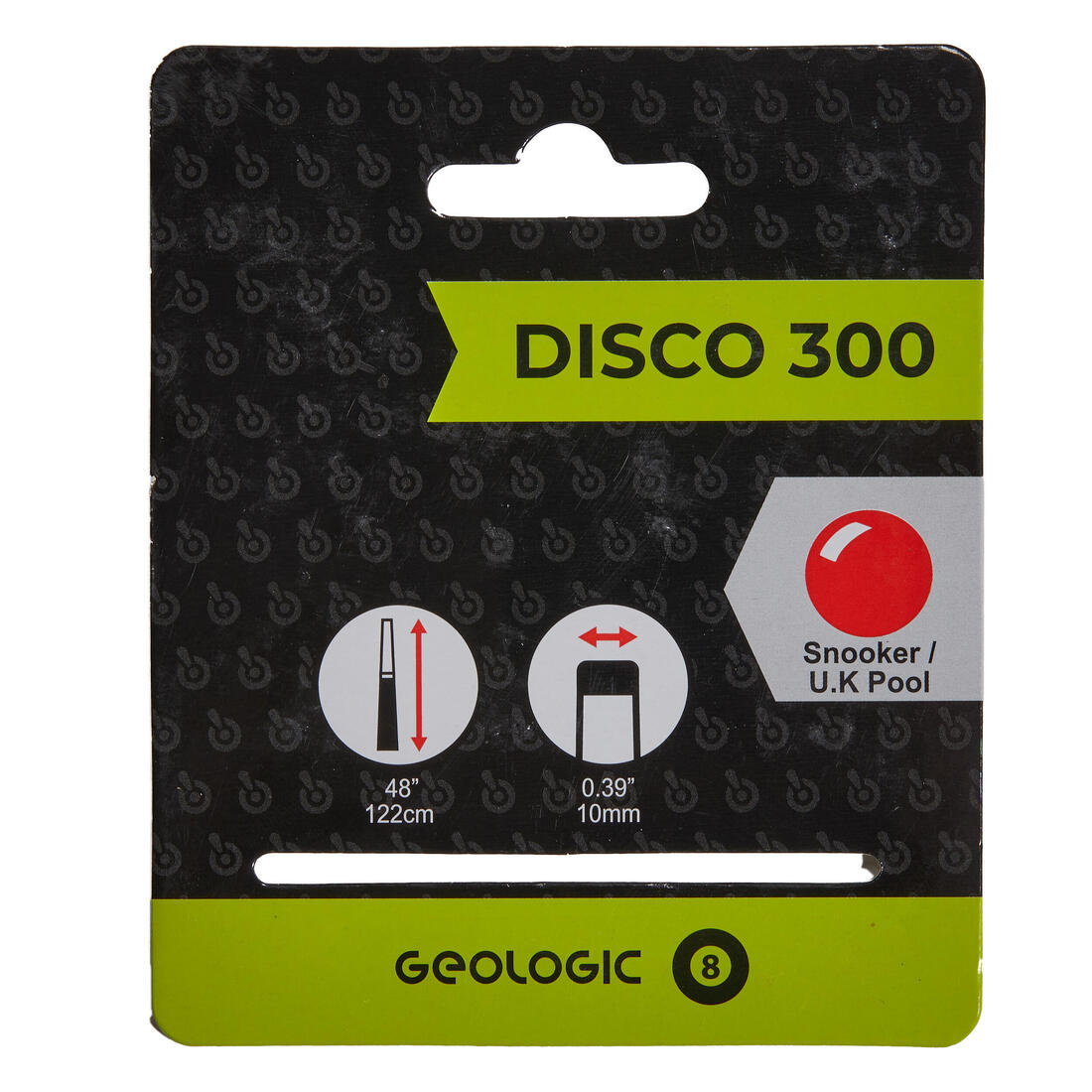
Your English billiards/snooker cue is 122 cm long, or 48 inches (1 inch = 2.54 cm). The smaller size makes it easier to play in cramped spaces. It is also better suited to shorter players and even kids. When it comes to the length of your billiards cue, we recommend picking a cue that is shoulder height.
Each of our billiards cues is manufactured. Straightness is checked individually, cue by cue, as they leave the factory. Nevertheless, cues are made from wood and experience changes in temperature and humidity during the transportation, storage and selling stages. These exterior conditions can affect their straightness over time. This consistency problem with billiards cues, which is inherent in their design, applies to all cues on the market.
This Discovery 300 UK/SNK cue is made from poplar. This soft timber species is often used for furniture because of its technical features and accessibility. The greatest advantage of poplar is its ability to grow straight (which makes cues naturally straight) and dry quickly without warping. It's therefore the perfect choice for billiards cues, which must be as straight as possible.
The compressive breaking stress coefficient and static bending breaking stress coefficient of poplar are 35 MPa and 62 MPa respectively (at 12% humidity). Put simply, this poplar cue is robust, sturdy and stable. However, it is less so than maple or ash cues. These two timber species have features that make them more robust and stable (they are also more expensive).
We recommend storing your billiards cue away from moisture and temperature changes. Store it flat in a storage cover or case after playing. Leaning it against a wall could cause warping. If you don't have a cover, store your cue as vertically as possible, in a cue case for example, to preserve its straightness and prevent warping.
Whether due to temperature changes or just regular use, the tip of your cue can become damaged and lose accuracy. Therefore, regular upkeep is important. This process is incredibly simple: 1/ Remove the worn tip 2/ Rough up the new tip with sandpaper 3/ Glue on the new tip 4/ Work the tip with a Stanley knife Our product engineer goes more in depth on our support page.
This is a one piece cue: it is therefore straighter, more sturdy and more robust than jointed cues. Even though they are a bit harder to transport (since they are one piece), they are perfect for quick, easy games at home: a one piece cue requires no assembly, it's ready to play at any time!
To get in a proper position, you need to hold the billiards cue as horizontally as possible to the billiards table. Your forearm and wrist should be perpendicular to the cue. During warm up strokes, the only movement should come from your elbow joint. While your shoulder stays fixed in place, keep your wrist flexible to prevent the cue from raising up at the end of your stroke. Your entire body should stay still with only your forearm moving.
Under the umbrella term of billiards hides a whole range of cue sports: pool, English billiards, French billiards, snooker and so many others! Each sport has its own rules and atmosphere...But also a specific cue for different sizes of balls. Choosing the right billiards cue starts with knowing which sport you want to play! Here are the tip sizes generally used: > pool: 13 mm > French billiards: 11-12 mm > snooker: 9-10 mm > blackball: 8-9 mm
Are you looking for a cue for learning to play billiards and snooker? With its short length, we are offering this manoeuvrable, specially designed cue for your grand debut.
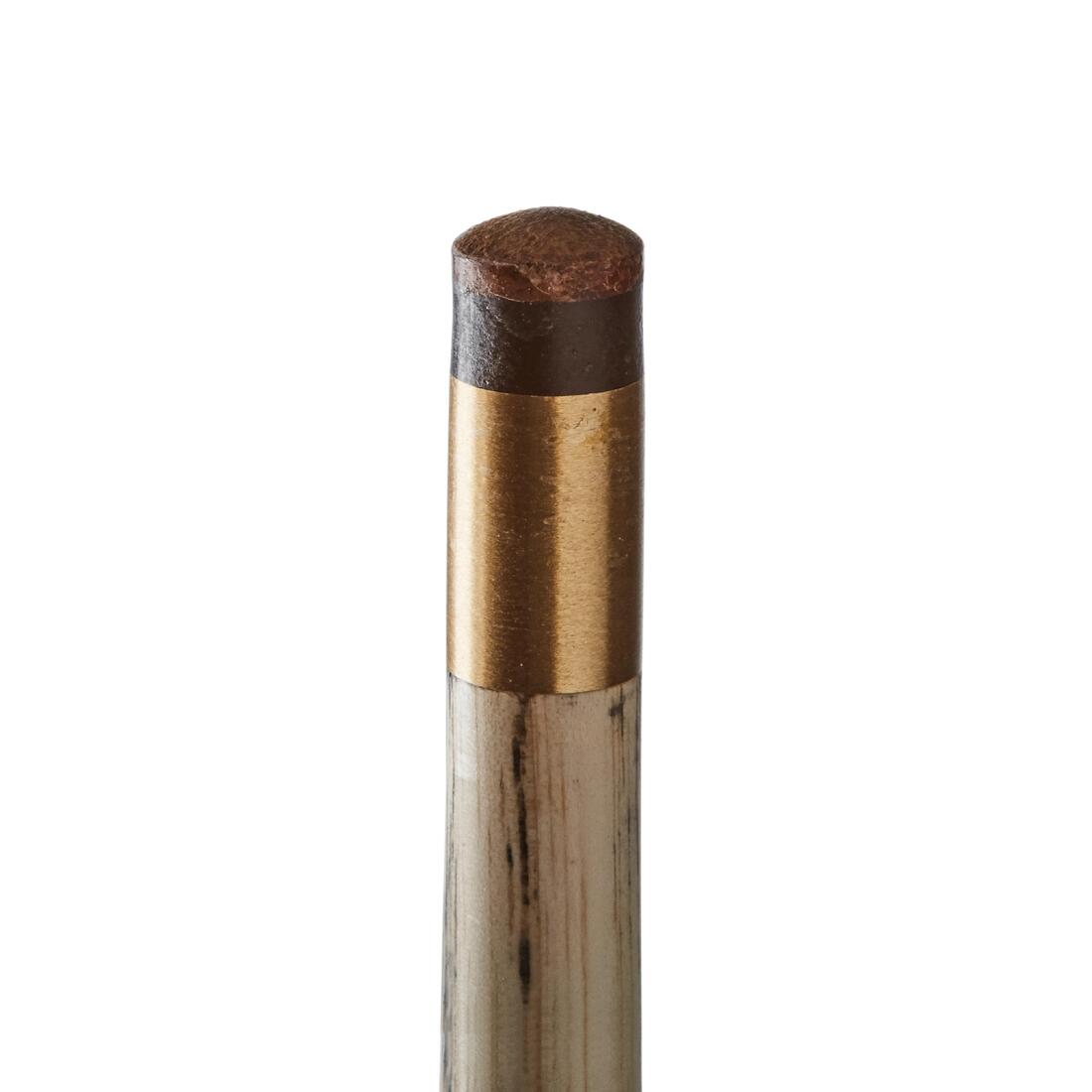
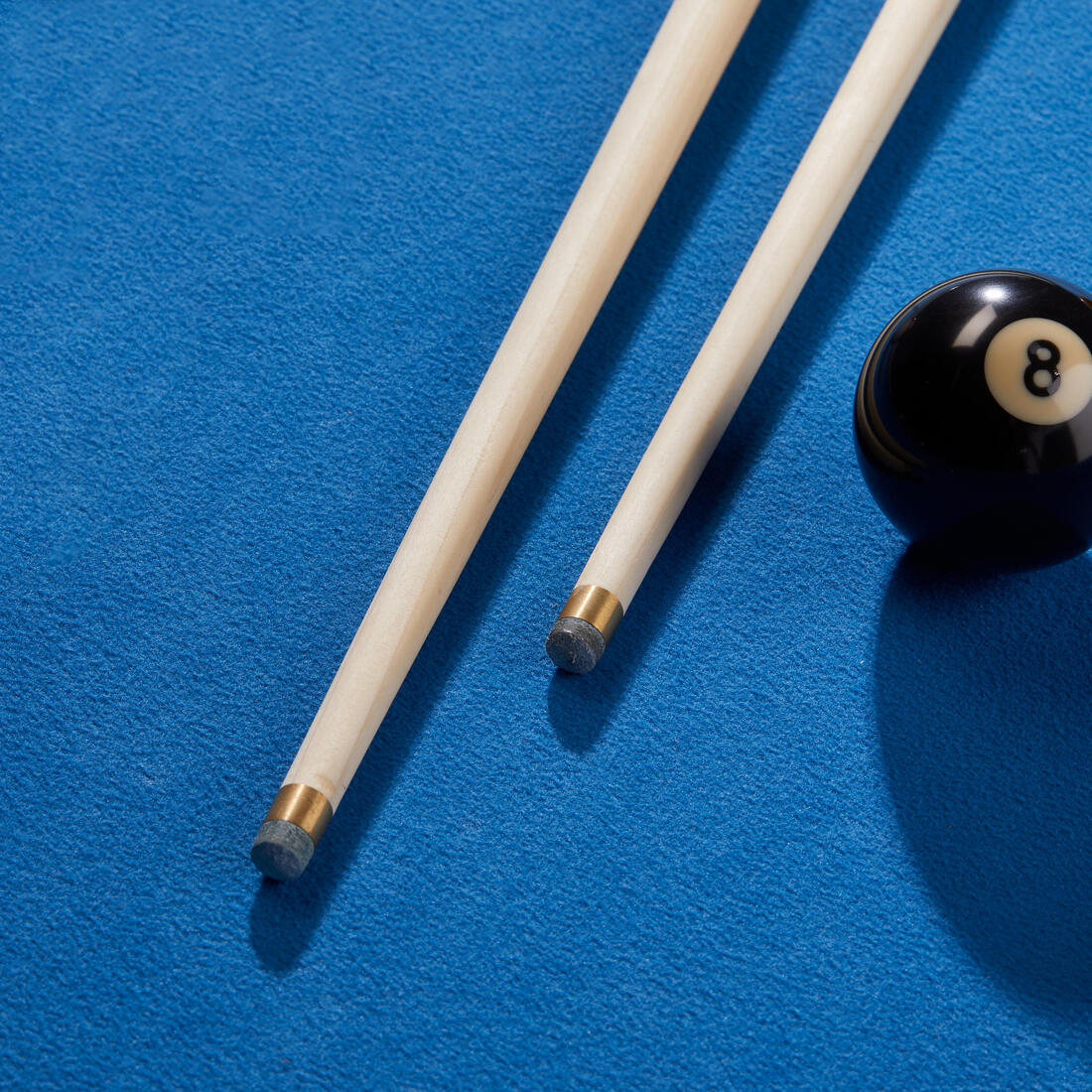
Start playing with accuracy thanks to its straightness (one piece) and 10 mm tip
Your one piece billiards cue does not require any assembly.
As a single piece, it's easier to carry than a jointed cue.
This English billiards/snooker cue was not designed to hold an extender.
0.5 cm brass ferrule. No joint = robustness. Made from softwood.
Our team of billiards players designed this cue for learning English billiards and snooker, even in tight spaces.
Our team of billiards players designed this cue for learning English billiards and snooker, even in tight spaces.
When getting started, you should opt for a heavy cue that will give you a better feel when practising your strokes. Your 122 cm billiards cue weighs about 365 g, or 17 oz (margin of 10%). The weight of the cue cannot be guaranteed: the density of wood fibres, even within the same species, varies from one forest to another. Even wood from the same tree can vary widely depending on sun exposure and the part of the tree used (trunk, crown, tree top).
Your English billiards/snooker cue is 122 cm long, or 48 inches (1 inch = 2.54 cm). The smaller size makes it easier to play in cramped spaces. It is also better suited to shorter players and even kids. When it comes to the length of your billiards cue, we recommend picking a cue that is shoulder height.
Each of our billiards cues is manufactured. Straightness is checked individually, cue by cue, as they leave the factory. Nevertheless, cues are made from wood and experience changes in temperature and humidity during the transportation, storage and selling stages. These exterior conditions can affect their straightness over time. This consistency problem with billiards cues, which is inherent in their design, applies to all cues on the market.
This Discovery 300 UK/SNK cue is made from poplar. This soft timber species is often used for furniture because of its technical features and accessibility. The greatest advantage of poplar is its ability to grow straight (which makes cues naturally straight) and dry quickly without warping. It's therefore the perfect choice for billiards cues, which must be as straight as possible.
The compressive breaking stress coefficient and static bending breaking stress coefficient of poplar are 35 MPa and 62 MPa respectively (at 12% humidity). Put simply, this poplar cue is robust, sturdy and stable. However, it is less so than maple or ash cues. These two timber species have features that make them more robust and stable (they are also more expensive).
We recommend storing your billiards cue away from moisture and temperature changes. Store it flat in a storage cover or case after playing. Leaning it against a wall could cause warping. If you don't have a cover, store your cue as vertically as possible, in a cue case for example, to preserve its straightness and prevent warping.
Whether due to temperature changes or just regular use, the tip of your cue can become damaged and lose accuracy. Therefore, regular upkeep is important. This process is incredibly simple: 1/ Remove the worn tip 2/ Rough up the new tip with sandpaper 3/ Glue on the new tip 4/ Work the tip with a Stanley knife Our product engineer goes more in depth on our support page.
This is a one piece cue: it is therefore straighter, more sturdy and more robust than jointed cues. Even though they are a bit harder to transport (since they are one piece), they are perfect for quick, easy games at home: a one piece cue requires no assembly, it's ready to play at any time!
To get in a proper position, you need to hold the billiards cue as horizontally as possible to the billiards table. Your forearm and wrist should be perpendicular to the cue. During warm up strokes, the only movement should come from your elbow joint. While your shoulder stays fixed in place, keep your wrist flexible to prevent the cue from raising up at the end of your stroke. Your entire body should stay still with only your forearm moving.
Under the umbrella term of billiards hides a whole range of cue sports: pool, English billiards, French billiards, snooker and so many others! Each sport has its own rules and atmosphere...But also a specific cue for different sizes of balls. Choosing the right billiards cue starts with knowing which sport you want to play! Here are the tip sizes generally used: > pool: 13 mm > French billiards: 11-12 mm > snooker: 9-10 mm > blackball: 8-9 mm
Are you looking for a cue for learning to play billiards and snooker? With its short length, we are offering this manoeuvrable, specially designed cue for your grand debut.
Start playing with accuracy thanks to its straightness (one piece) and 10 mm tip
Your one piece billiards cue does not require any assembly.
As a single piece, it's easier to carry than a jointed cue.
This English billiards/snooker cue was not designed to hold an extender.
0.5 cm brass ferrule. No joint = robustness. Made from softwood.
Our team of billiards players designed this cue for learning English billiards and snooker, even in tight spaces.
0 reviews
0 reviews
Member card
Please log in to view your member card.
Member card
Please log in to view your member card.

Reviews